_Older adults lost more than _$3.4 billion_ to scams in 2023, and banks often have the first chance to stop the money from leaving._* If I had to sum up this topic fast, I’d say banks fight elder fraud in five main ways: they train staff, monitor accounts, add account safeguards, escalate suspicious activity, and teach customers what scams look like.
Here’s the short version:
- Staff are trained to spot odd withdrawals, rushed wires, and signs that a customer is under pressure.
- Fraud systems scan accounts for unusual activity, such as new payees, strange logins, or out-of-pattern transfers.
- Account safeguards like trusted contacts, read-only access, and transfer limits add another layer of protection.
- Internal reporting steps help banks delay or review suspicious transfers and report cases to the right agencies.
- Customer education helps older adults and families spot scams before money is sent.
That matters because many scams work by creating fear, urgency, or secrecy. And once funds are gone, getting them back can be hard.

5 Ways Banks Prevent Elder Fraud: Methods at a Glance
Preventing Elder Financial Abuse and Exploitation with Tellers
sbb-itb-48c2a85
Quick Comparison
| Method | Main job | Simple example |
|---|---|---|
| Employee training | Help staff spot warning signs | A teller notices a nervous customer trying to send a large wire |
| Transaction monitoring | Flag unusual account activity | A system catches a transfer that doesn’t fit past behavior |
| Account protections | Add built-in account safety tools | A trusted contact is called after suspicious activity |
| Reporting and escalation | Slow things down and route the case | A bank reviews a high-risk transfer before it goes out |
| Customer education | Help people avoid scams | A bank warns customers about fake “safe account” calls |
If you want the plain-English takeaway, it’s this: banks lower risk best when people, systems, and family support all work together.
Why Banks Are Key to Stopping Elder Financial Exploitation
Banks are often the first to spot elder fraud as it happens. They can see account activity directly, which gives them a front-row view of sudden large withdrawals, unfamiliar wire transfers, off-pattern ATM use, and ownership changes. That line of sight is what gives banks a chance to step in early.
Staff also look for signs like repeated cash advances, rushed transfers, cashing out long-term savings, beneficiary changes, and requests to add an unfamiliar joint owner or signer. On paper, these may look like routine requests. In context, they can point to pressure, confusion, or abuse.
Banks use both technology and human judgment to respond. Monitoring systems flag unusual activity, while frontline employees notice red flags that software may miss. Strong internal escalation procedures help teams document concerns, alert the right people, and review a transaction when policy allows.
Still, banks can’t handle the whole problem on their own. They may be able to slow or pause a suspicious transaction, but they usually can’t investigate abuse claims or settle family disputes. That’s why outside coordination matters.
When a bank suspects exploitation, it may file a Suspicious Activity Report and refer the case to Adult Protective Services, law enforcement, or the National Elder Fraud Hotline. The CFPB recommends reporting suspected exploitation whether state law makes it mandatory or voluntary. These tools explain the five prevention methods below.
1. Employee Training on Elder Fraud Warning Signs
Frontline staff often spot elder fraud before any money leaves the account. That’s why regulators, including the CFPB, point to customer-facing employees as a main line of defense against elder financial exploitation.
The training usually centers on two types of red flags.
On the transaction side, staff watch for things like:
- sudden large withdrawals
- unfamiliar wire transfers
- rushed account closures
- a new authorized user moving money out fast
Behavior matters too. An older customer who seems confused, nervous, or rushed can be a warning sign. The same goes for a companion who answers every question and does all the talking.
Banks also train people by role, because each team sees a different piece of the picture. Branch staff focus on in-person cues. Call center agents are taught to listen for pressure, urgency, or signs that someone may be coaching the customer in the background. Back-office teams look for patterns in account data that a single employee at one branch may never see.
When someone spots a red flag, they don’t just go with their gut and move on. They follow a set process: document what they saw, escalate it to a supervisor, and, if bank policy allows, pause a high-risk transaction while the case is reviewed. The point is simple: create a short pause so the bank can check whether the request is real.
Training helps people catch more of these cases, and refresher sessions help keep that skill from fading. Human judgment is even stronger when it works alongside automated monitoring.
2. Fraud Detection Systems and Transaction Monitoring
Staff training helps, but banks also rely on automated monitoring to catch patterns people might miss. These systems review account activity 24/7 and look for signs that something may be off.
Banks usually use two methods. Rules-based filters look for clear warning signs that have already been defined, like unusually large withdrawals, early CD closures despite penalties, or wire transfers to new payees. Machine learning models go a step further. They build a picture of what normal activity looks like for each customer, then flag behavior that falls outside that pattern.
For older adults, that can mean spotting changes in long-standing habits, such as:
- sudden gift card or cryptocurrency purchases
- logins from unfamiliar devices
- transactions from places that don’t match the customer’s usual behavior
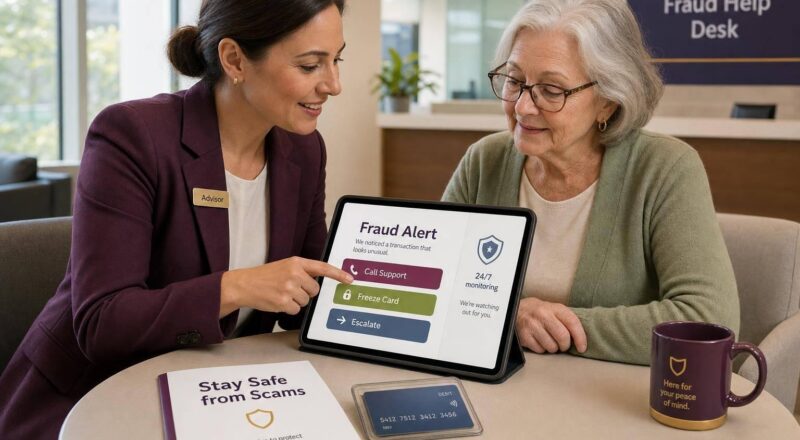
The response usually happens in stages. A bank may send a confirmation text or email first. Then it might call the customer to verify the transaction or place a temporary hold while a specialist reviews the alert. Alerts tied to older-adult accounts often go to teams trained to spot elder fraud.
Monitoring does more when banks pair it with stronger account protections for older customers.
3. Age-Friendly Account Protections
Banks can build safeguards right into the account. One simple option is a trusted contact. If the bank spots unusual activity or loses touch with the account holder, it can contact a family member, attorney, or friend. That person can’t move money or get into the account.
Another option is read-only access. A family member or caregiver gets login details that let them view balances and transactions, but not transfer funds. That extra set of eyes can help spot trouble early, while the account owner still keeps full control.
Banks can also use withdrawal limits and step-up verification to cut risk. They may lower cash withdrawal limits, put caps on transfers, and ask for extra checks before wires, Zelle transfers, or international payments go through. These settings can be matched to a customer’s usual activity. That way, day-to-day spending is less likely to get interrupted, while unusual transactions stand out. It also gives bank staff more time to review suspicious activity.
The CFPB points to age-friendly services like trusted contacts, opt-in safeguards, and caregiver coordination. This matters because checking and savings accounts were tied to 44% of elder exploitation Suspicious Activity Reports (SARs), and they had the highest average loss at about $48,300 per report.
4. Rapid Reporting and Escalation Procedures
Fast escalation can stop losses before money leaves the account.
Once a warning sign shows up, speed matters. The employee documents the concern, escalates it right away, and – when policy and state law allow – puts a delay on the transfer so it can be reviewed. Written protocols and checklists help staff act fast and stay consistent.
Banks file Suspicious Activity Reports and clearly label elder exploitation cases so regulators and law enforcement can spot patterns.
Banks also report suspected abuse to Adult Protective Services and local law enforcement, following state and federal reporting rules. That kind of fast action works even better when customers know how to pause a scam, slow things down, and ask a few extra questions.
5. Customer Education and Outreach
When monitoring misses a scam, customer education becomes the next line of defense. Even strong fraud systems can miss scams when the customer approves the transfer, like fake grandchild calls or someone pretending to be from the government.
Banks share fraud warnings in a lot of places: branch posters, statement inserts sent by mail, email alerts, and in-person seminars. Many also use free materials from the FDIC and CFPB, including the Money Smart for Older Adults program, to run workshops with plain-language scam examples and clear next steps. The ABA Foundation‘s Safe Banking for Seniors program has been adopted by more than 2,050 banks and reached over 6.5 million people with fraud prevention resources in its first decade. Still, the channel matters less than the wording.
The message matters just as much as where it shows up. Use plain language, not banking jargon. Tell people what the scam looks like and what they should do next. Instead of saying “phishing,” say “texts pretending to be your bank.” That kind of wording is easier to picture and easier to act on. Frontline staff can back up those warnings during routine transactions, right when the advice is most likely to stick.
Banks can also bring families into the conversation. Many institutions hand out guides for adult children who help manage a parent’s finances. Resources like the ElderHonor Toolkit can help continue those talks at home, so families can discuss scams, roles, and money management together.
Quick-Reference Table: 5 Elder Fraud Prevention Methods
This table gives you a side-by-side look at the five main defenses. It shows what each method is meant to do, how it works in practice, and who usually handles it.
| Prevention Method | Primary Purpose | What It Does | Who Uses It |
|---|---|---|---|
| Employee Training on Elder Fraud Warning Signs | Help frontline staff spot and act on red flags early | Scenario-based training shows staff how to notice behavioral and transaction red flags early, with clear steps for documenting and escalating concerns. | Branch tellers, personal bankers, branch managers, call center representatives, training and compliance teams |
| Fraud Detection Systems & Transaction Monitoring | Automatically flag suspicious patterns linked to elder fraud | Rules-based and machine learning systems scan for unusual activity and send alerts to fraud teams for manual review. | Automated monitoring platforms, fraud operations teams, risk management, compliance/BSA officers |
| Age-Friendly Account Protections | Add built-in safeguards that help protect older customers while preserving autonomy | Features can include trusted contact designations, withdrawal limits, and temporary holds or reviews on high-risk disbursements. | Product and account managers, branch staff, legal and compliance teams |
| Rapid Reporting & Escalation Procedures | Make sure suspected exploitation is handled fast and sent to the right authorities | Staff document concerns, escalate them internally to fraud or compliance, and follow standard steps for filing Suspicious Activity Reports (SARs). | Frontline staff, branch managers, compliance/BSA officers, legal department, APS/law enforcement liaisons |
| Customer Education & Outreach | Help older adults and families recognize and avoid scams | Multi-channel campaigns explain common scams in plain language and spell out clear next steps. | Marketing and communications teams, community outreach officers, branch managers, financial educators |
These bank controls tend to work best when families back them up at home.
What Families Can Do Alongside Their Bank
Bank controls work better when families add one more layer of review. A bank can spot patterns in an account. But families see the day-to-day context a bank might miss: regular statement checks, shared oversight, and early signs that something feels off, like sudden behavior changes or a new person stepping in to “help” with money.
Set up alerts so you can catch problems between statement reviews. Ask the bank to turn on alerts for:
- Transactions over a set dollar amount
- Large cash withdrawals
- Wire transfers
- New payees
- Low balances
- Login changes
With the older adult’s consent, send those alerts to both the senior and a trusted family member.
Also, make sure the bank has a trusted contact on file. This person is not a joint account owner. It’s simply someone the bank can contact if it notices suspicious activity or can’t reach the account holder.
Keep account details, powers of attorney, beneficiary designations, and advisor contacts in one secure file. If a bank needs to confirm the identity of a power of attorney holder or trustee before taking action, having those papers ready can help cut delays.
After the paperwork is in order, decide who handles suspicious activity and how fast to move. Have that conversation before a scam happens. Spell out what “unusual activity” looks like and who should be called right away.
Conclusion
Employee training, monitoring, account protections, escalation, and education work best when they operate as one system. Used together, these five defenses cut risk at each stage, from detection and response to prevention.
The losses are already severe. The FTC reported that imposter scams alone cost older adults $700 million in 2024. Early action matters because once money is sent, getting it back can be hard or impossible. Speed matters most. The faster banks, families, and older adults act, the more money they may keep safe.
Families can also use caregiving resources to organize contacts, documents, and money-management plans. The next step is simple: review the bank’s protections and turn on the ones that matter most. Review bank safeguards now and add a trusted family member to the plan.
FAQs
Can a bank legally stop a suspicious transfer?
Yes. Banks can place a hold on suspicious transfers when fraud detection systems flag unusual activity, such as large or unexpected transactions.
If they spot signs of financial abuse or elder exploitation, they may also contact Adult Protective Services and law enforcement. ElderHonor offers resources and coaching to help families protect aging parents.
What exactly is a trusted contact?
A trusted contact is a person – like a family member, close friend, or advisor – your parent’s financial institution can reach out to if it spots elder fraud or unusual activity on an account.
Adding one lets the bank share limited information, confirm your parent’s location, or check on their well-being if there are signs of unauthorized access or possible exploitation.
What should families set up first?
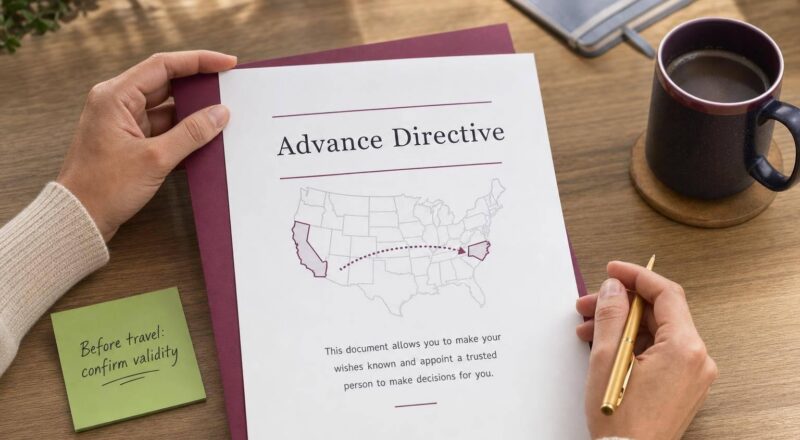
Families should start with four key legal documents: Durable Power of Attorney for finances, Health Care Power of Attorney, Living Will or Advance Directive, and a HIPAA release. These documents give someone the legal right to step in and help if a parent’s capacity starts to decline.
Once those are in place, check and update beneficiary designations on financial accounts. That step is easy to miss, but it matters.
The ElderHonor Toolkit can help with these documents, estate management, and family conversations.